
Interior Design
Interior design services are integral to the creation of functional, aesthetically pleasing, and well-designed interior spaces within residential, commercial, and institutional buildings. Interior designers are responsible for transforming interior environments to meet the needs and preferences of clients while adhering to safety and regulatory requirements.

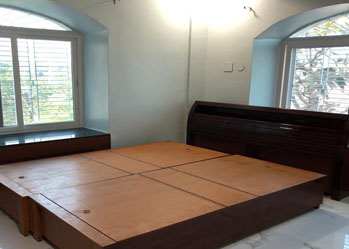
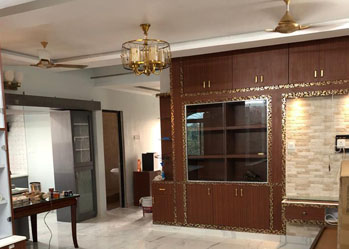
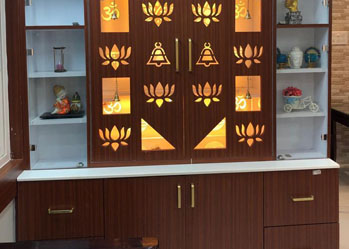
Our interior design services process include
Client Collaboration
Interior designers work closely with clients to understand their goals, preferences, and requirements for the space. This collaborative process ensures that the design reflects the client's vision and lifestyle.
Space Planning
One of the primary responsibilities of interior designers is space planning. They determine how the interior space will be organized and how furniture and fixtures will be arranged to maximize functionality and flow.
Color and Material Selection
Interior designers choose color schemes, materials, and finishes that harmonize with the overall design concept and meet the client's aesthetic preferences. This includes selecting paint colors, flooring materials, wall coverings, and furniture upholstery.
Furniture and Fixture Selection
Interior designers assist clients in selecting furniture, lighting fixtures, window treatments, and decorative accessories that complement the design theme and provide comfort and functionality.
Customization
In some cases, interior designers may recommend or create custom-designed furniture, cabinetry, and built-in features to optimize space utilization and fit the design concept.
Lighting Design
Lighting plays a crucial role in interior design. Designers plan the placement of lighting fixtures to create ambiance, enhance functionality, and highlight architectural features and focal points.
Textiles and Fabrics
Interior designers often choose fabrics for upholstery, curtains, and pillows. They consider factors such as durability, texture, and color coordination to achieve the desired look and feel.
Budget Management
Interior designers work within the client's budget, helping them make informed decisions about where to allocate funds for the most impact.
Project Management
Interior designers may oversee the execution of the design plan, coordinating with contractors, artisans, and other professionals to ensure that the design is implemented correctly and on schedule.
Sustainability
Many interior designers incorporate sustainable and eco-friendly materials and practices into their designs to promote environmental responsibility.
Universal Design
In some cases, interior designers apply principles of universal design to create spaces that are accessible and functional for individuals of all ages and abilities.
Regulatory Compliance
Interior designers ensure that the design and furnishings comply with local building codes, safety standards, and accessibility requirements.
Presentation and Visualization
Interior designers use tools such as mood boards, 3D modeling, and computer-aided design (CAD) software to present design concepts and help clients visualize the final result.
Trends and Innovation
Interior designers stay updated on design trends, emerging materials, and innovative technologies to provide clients with the latest design options.
Project Evaluation
After the completion of the project, interior designers often evaluate the outcome to ensure that the design meets the client's expectations and functional needs.


Social Links

Copyright © B2Z Infra. All rights reserved.
Powered By : SOFTNET