
MEP Solution
MEP (Mechanical, Electrical, and Plumbing) solution services encompass a range of critical building systems that are essential for the functionality, comfort, and safety of commercial, industrial, and residential buildings. These services are typically provided by MEP engineering firms and professionals.

Our MEP solution services include
Mechanical Systems
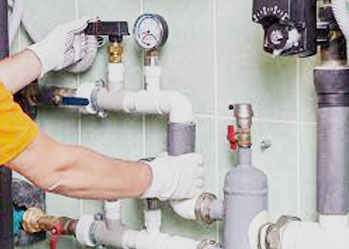
MEP services include the design, installation, and maintenance of mechanical systems within a building. This encompasses heating, ventilation, and air conditioning (HVAC) systems, as well as any mechanical equipment such as boilers, chillers, and ductwork. MEP engineers ensure that these systems provide efficient temperature control and air quality while minimizing energy consumption.
Electrical Systems
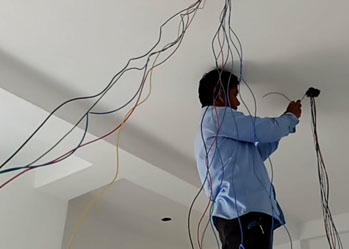
MEP solution services also cover electrical systems, including power distribution, lighting, and wiring. MEP engineers design electrical layouts, select appropriate fixtures and equipment, and ensure that the electrical system is safe, reliable, and compliant with local electrical codes.
Plumbing Systems
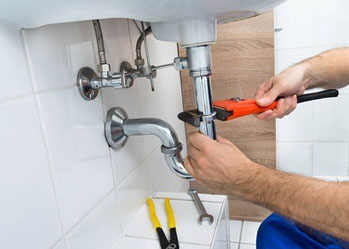
Plumbing systems, such as water supply, drainage, and sewage systems, are another integral part of MEP services. MEP engineers design plumbing layouts, specify plumbing fixtures, and ensure the proper functioning of these systems to provide clean water, efficient wastewater removal, and sanitation.
Fire Protection Systems
MEP engineers design fire protection systems, which include fire alarms, sprinkler systems, and smoke detection systems. These systems are essential for the safety of occupants and property protection in the event of a fire.
Energy Efficiency
MEP solution services often focus on energy-efficient design and technology integration to reduce a building's energy consumption and environmental impact. This may involve the use of energy-efficient lighting, HVAC systems, and renewable energy sources like solar panels.
Building Automation and Controls
MEP engineers may implement building automation and control systems to monitor and optimize the performance of mechanical, electrical, and plumbing systems. These systems can enhance energy efficiency, comfort, and security while reducing operational costs.
Sustainability and Green Building Practices
In today's environmentally conscious construction industry, MEP services often include expertise in sustainable and green building practices. MEP engineers may work on LEED (Leadership in Energy and Environmental Design) certified projects and implement strategies for reducing resource usage and carbon footprint.
Commissioning and Testing
MEP professionals are involved in the commissioning and testing of building systems to ensure that they are installed correctly, function as intended, and meet performance standards. This process helps identify and rectify any deficiencies before occupancy.
Maintenance and Facility Management
MEP services extend beyond the construction phase, including ongoing maintenance, repairs, and facility management to keep building systems operating efficiently and effectively throughout their lifecycle.
Code Compliance
MEP engineers are responsible for ensuring that all building systems comply with local building codes, regulations, and safety standards.


Social Links

Copyright © B2Z Infra. All rights reserved.
Powered By : SOFTNET